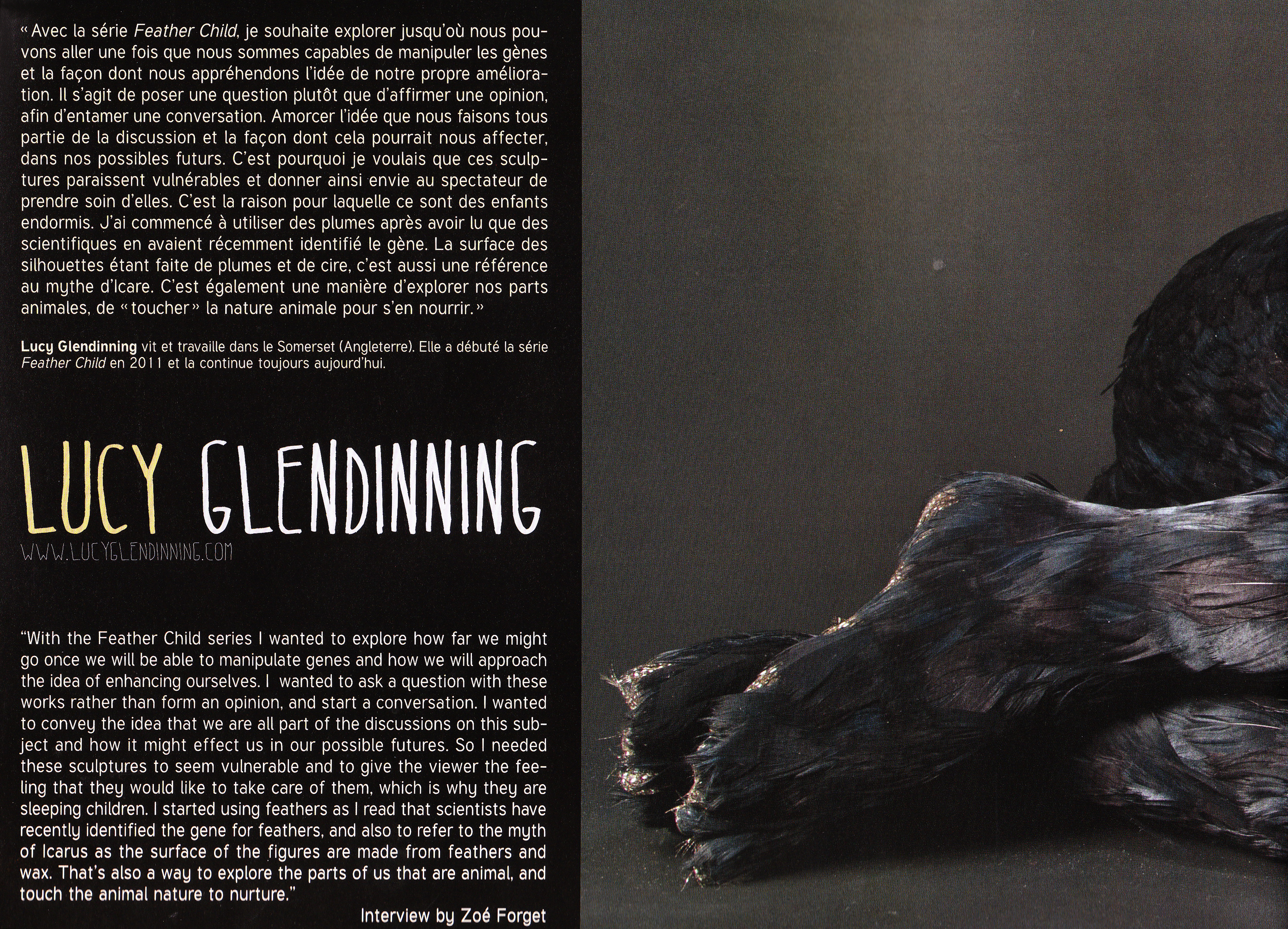
Lucy Glendinning
Lucy Glendinning
Née en 1964, Somerset, Royaume-Uni
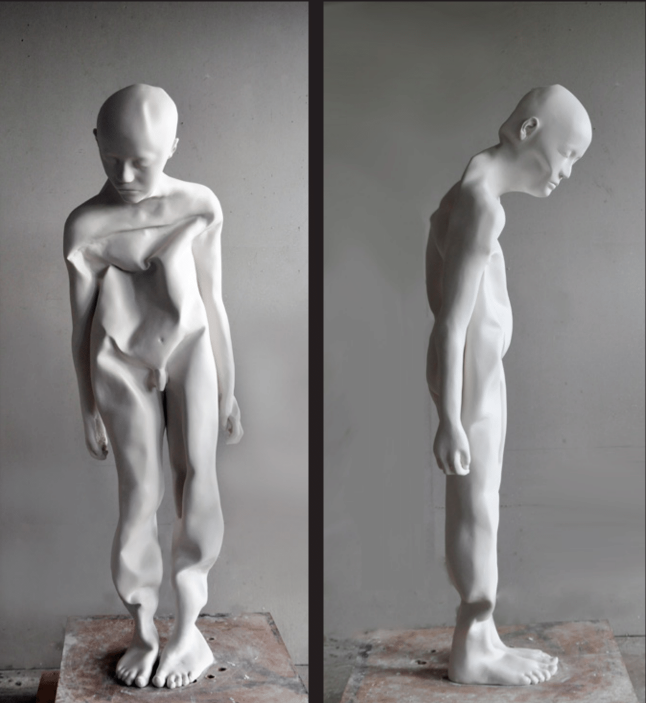
Lucy Glendinning est une sculptrice britannique dont le travail s’inscrit dans le renouvellement de la sculpture figurative contemporaine. Formée au sein de la tradition artistique anglaise, elle développe une pratique exigeante qui conjugue virtuosité technique et profondeur conceptuelle, explorant les zones de tension entre corps, identité et transformation.
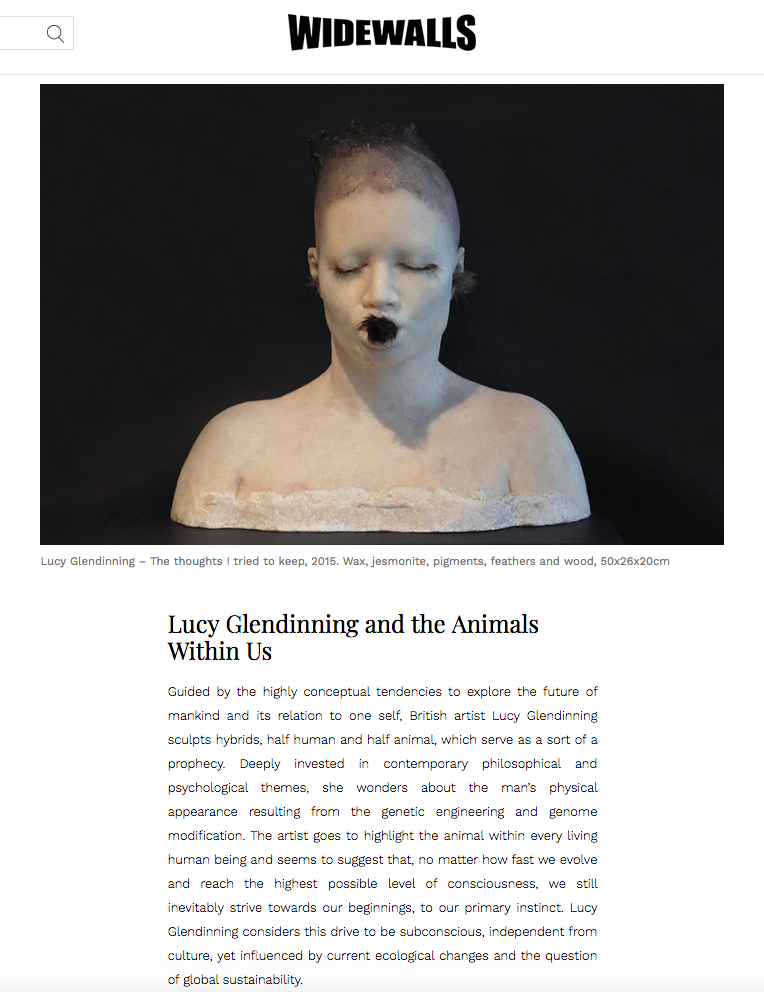
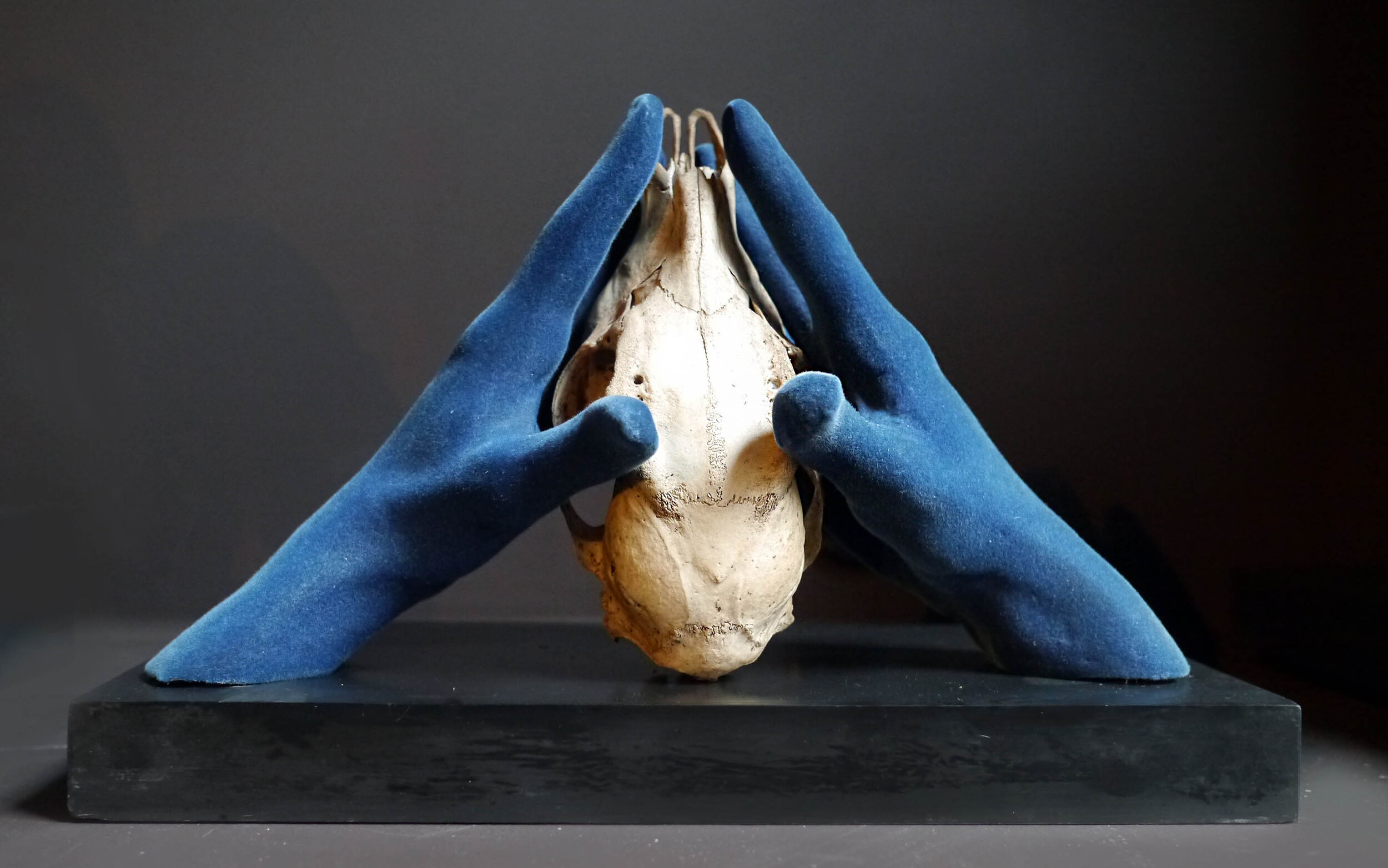
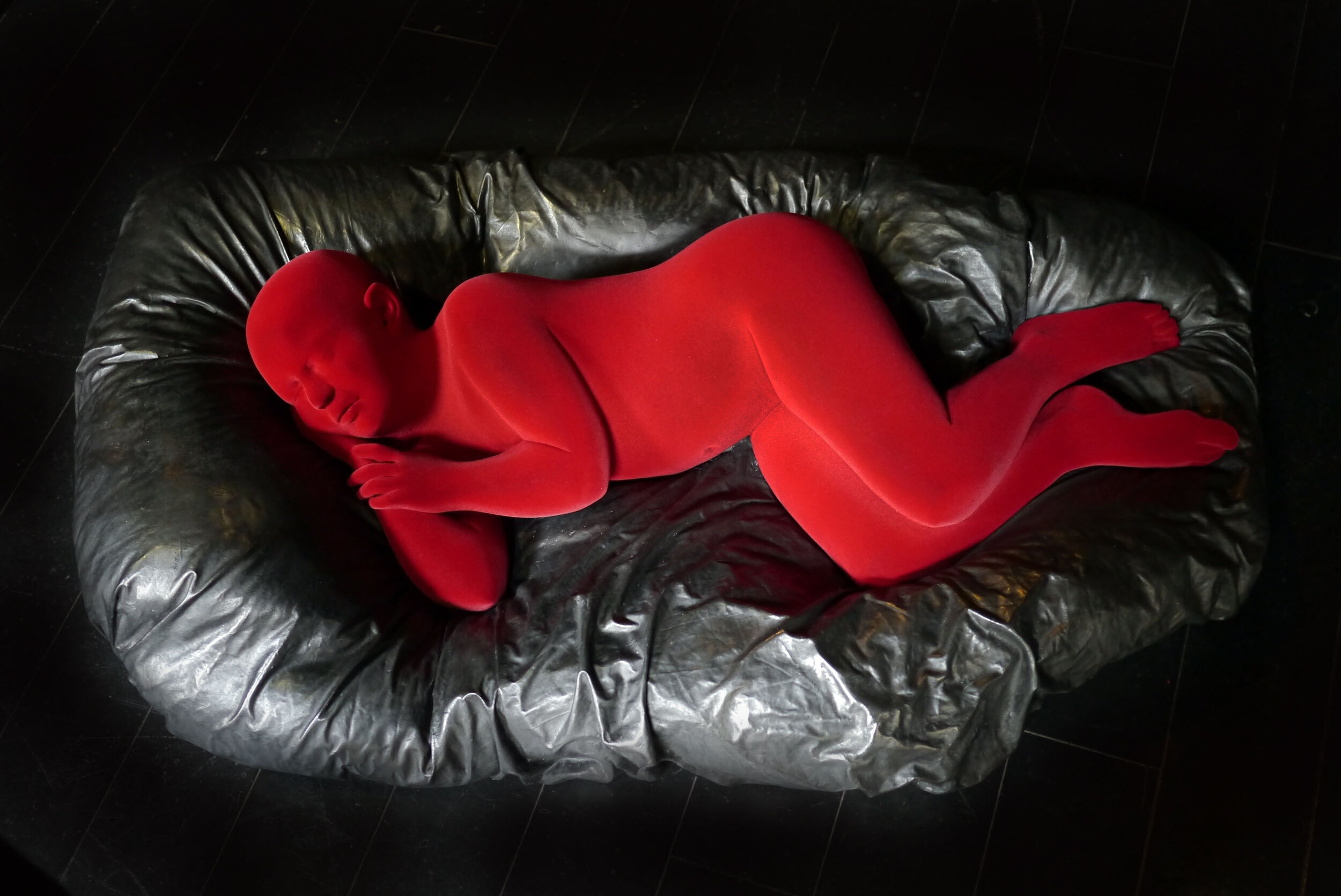
Son œuvre s’inscrit dans une lignée de la sculpture classique tout en dialoguant avec les préoccupations actuelles liées aux biotechnologies, à l’évolution et aux mutations du vivant. À travers ses figures, souvent hybrides, Glendinning interroge les limites du corps humain et les projections que nous formulons sur son devenir.
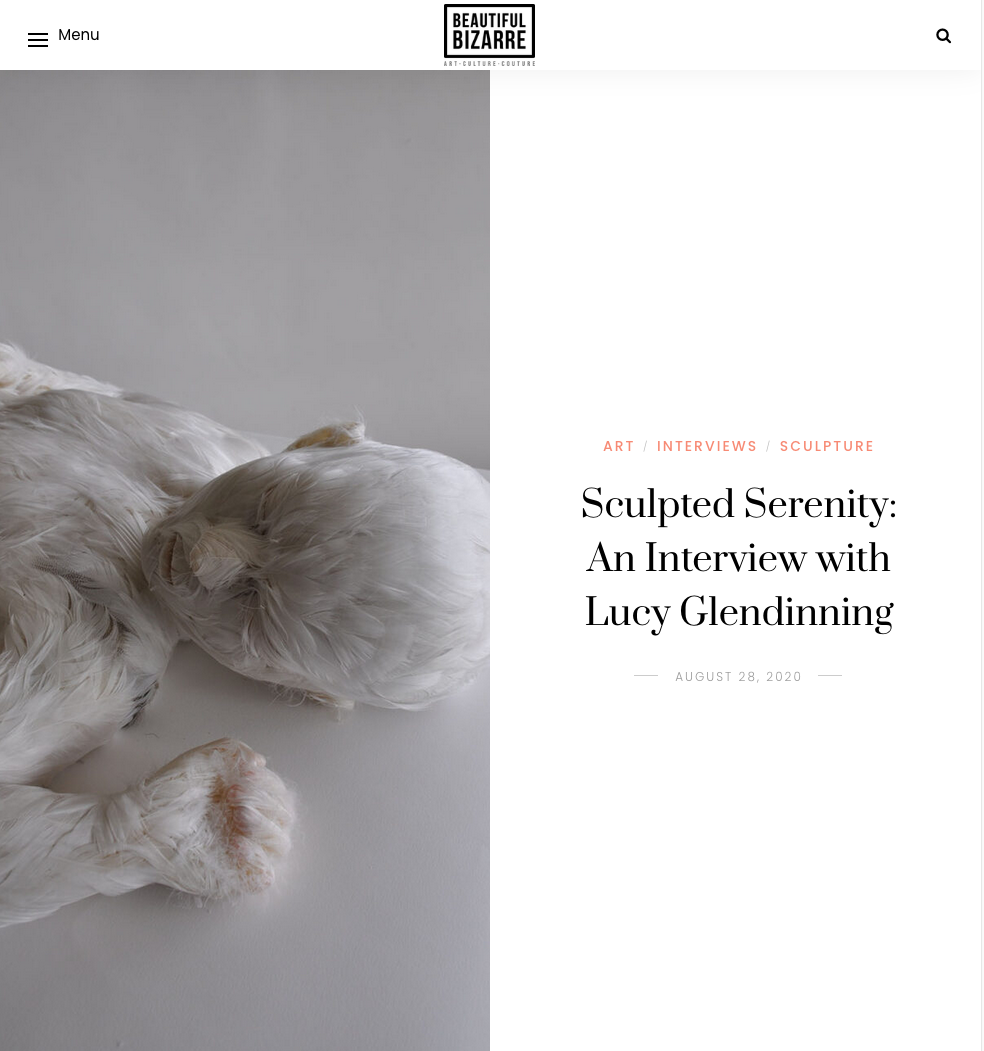
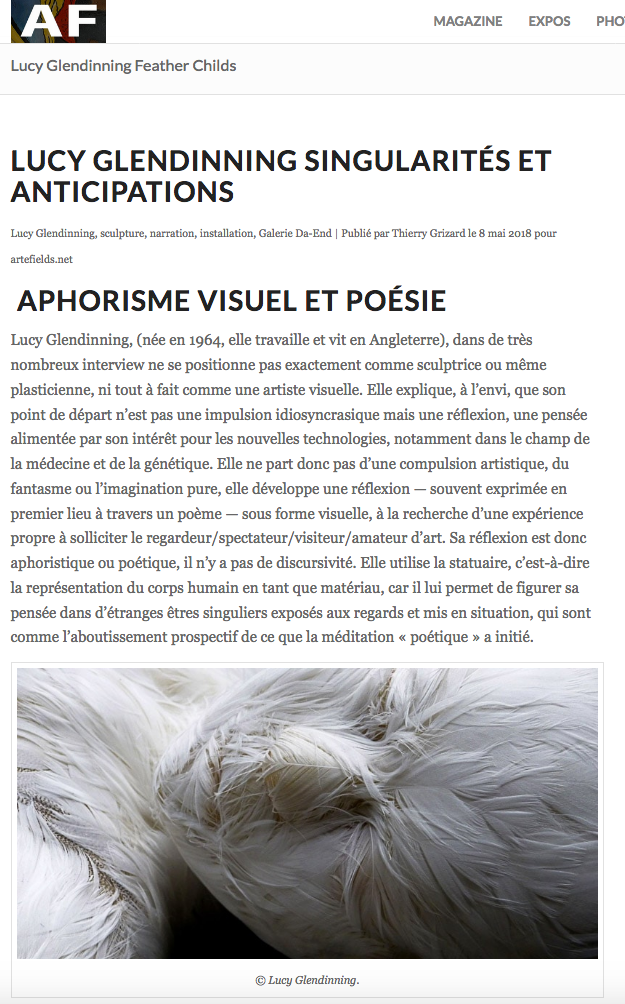
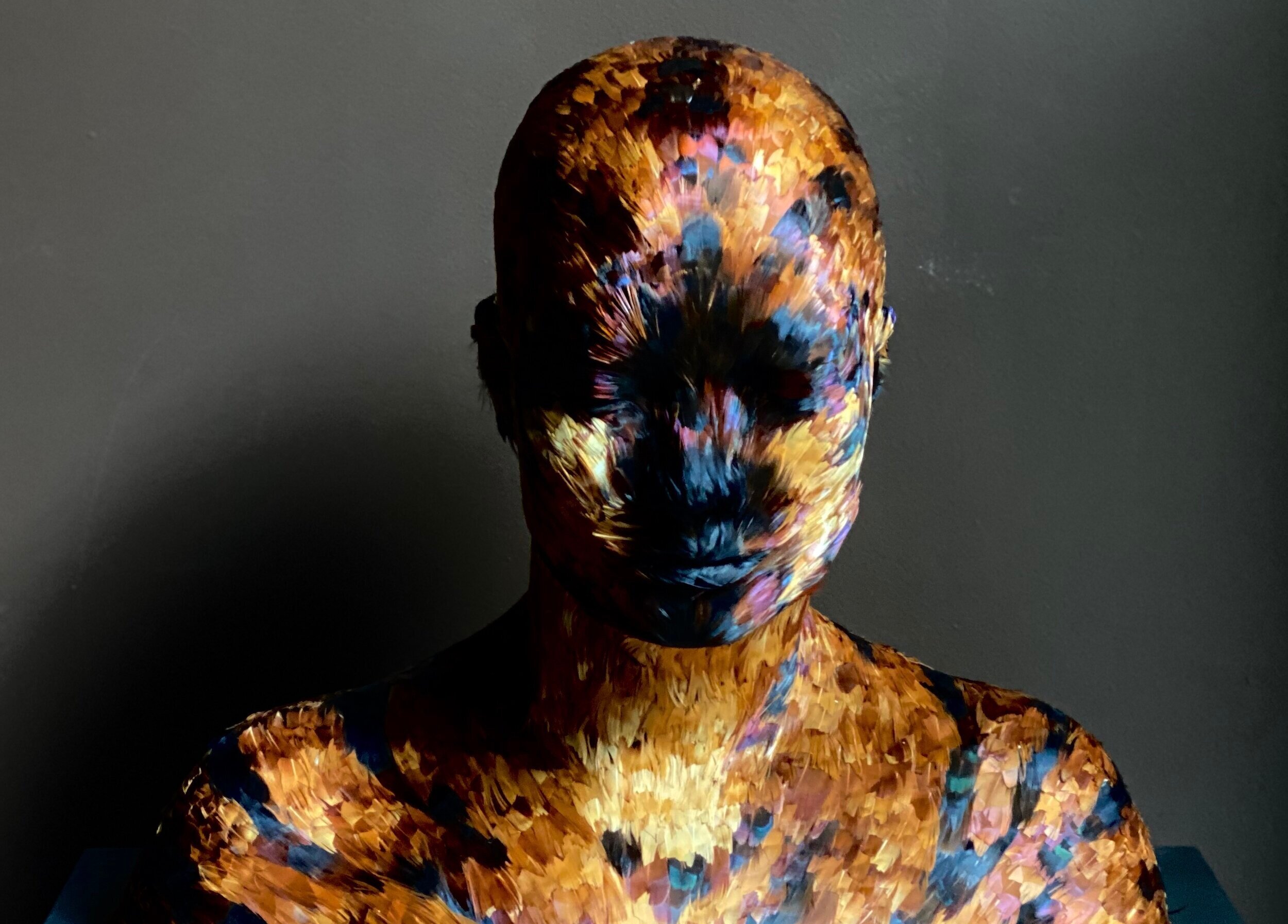
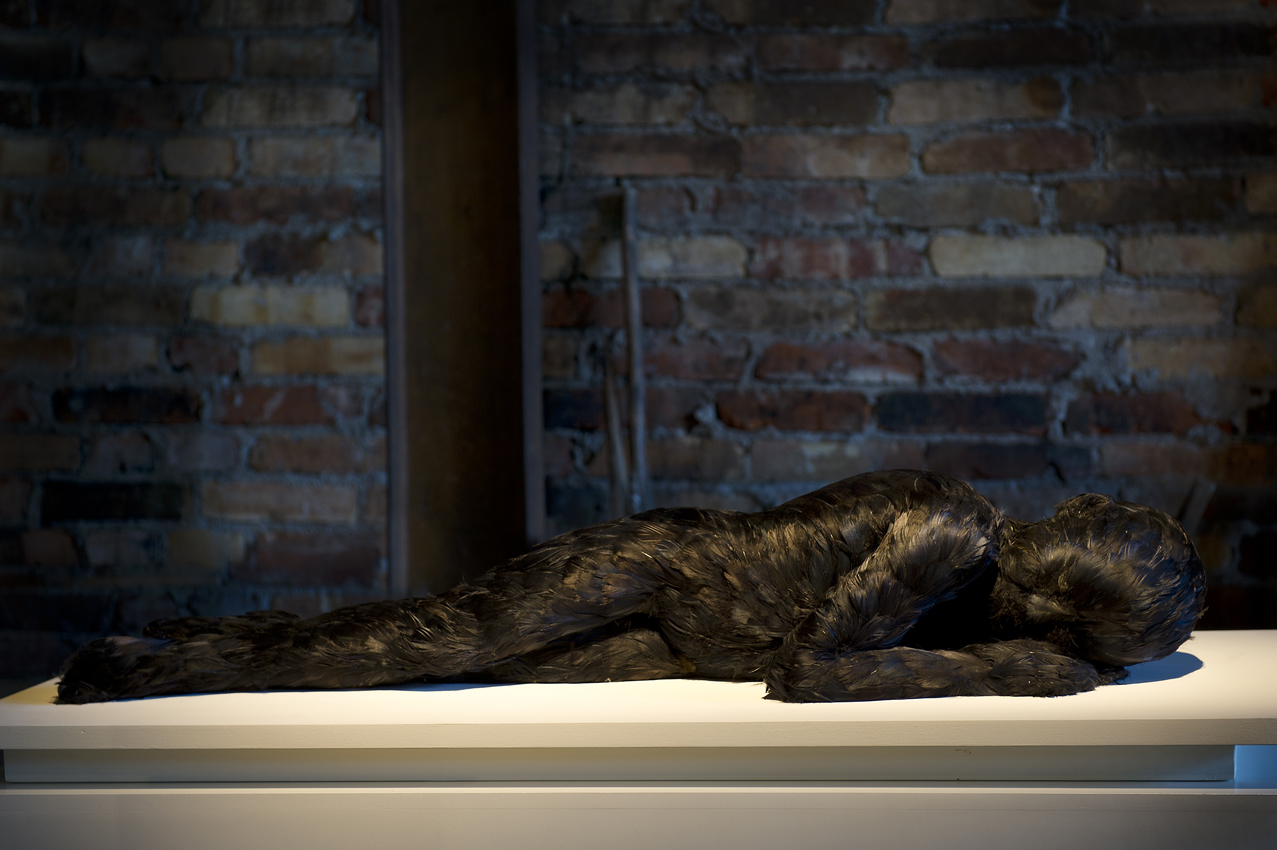
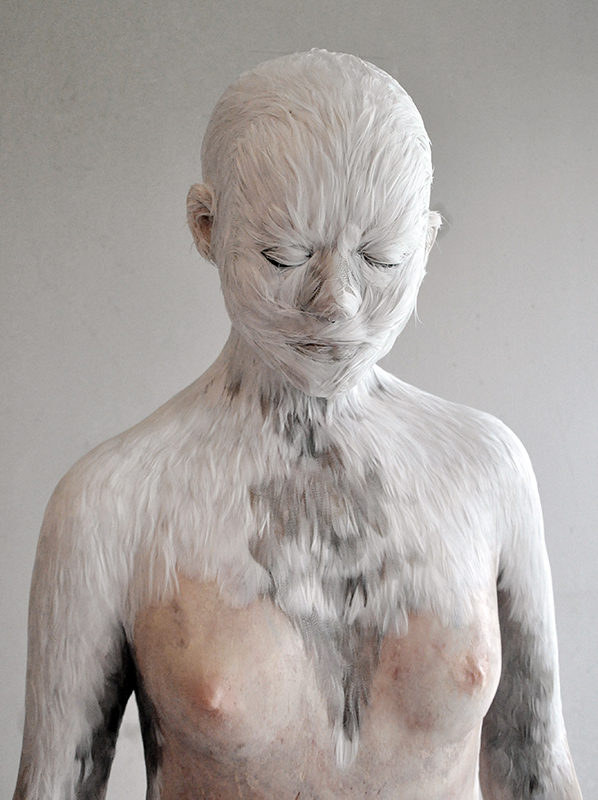
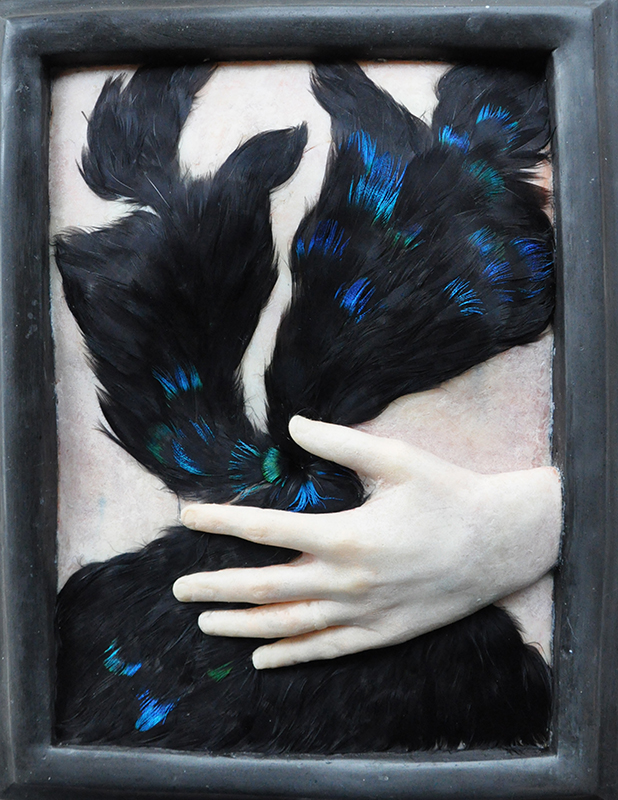
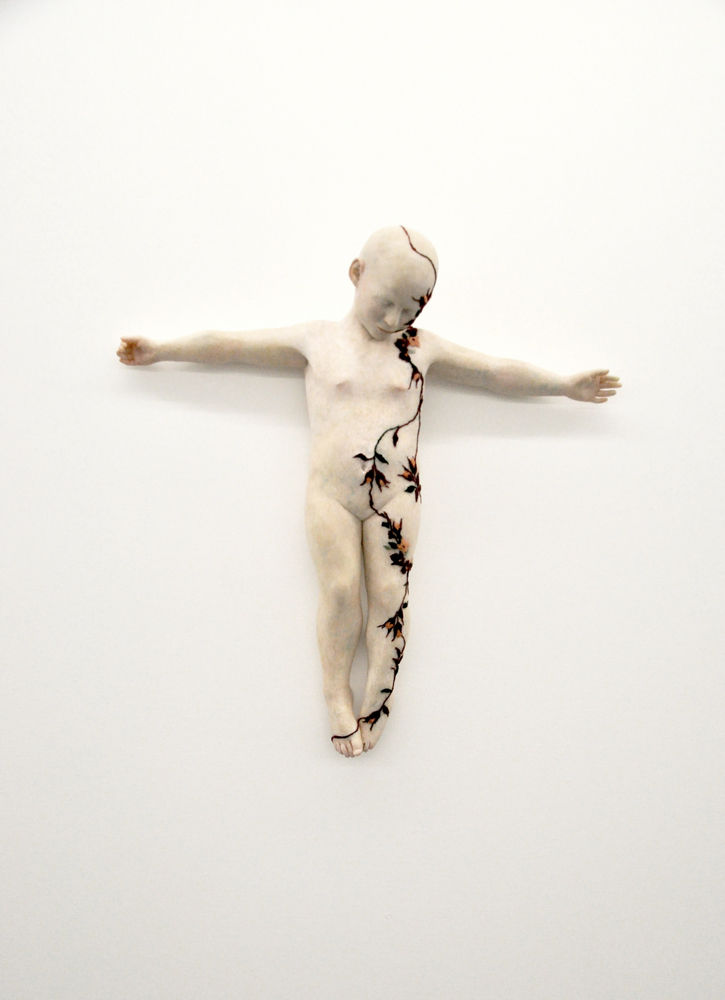
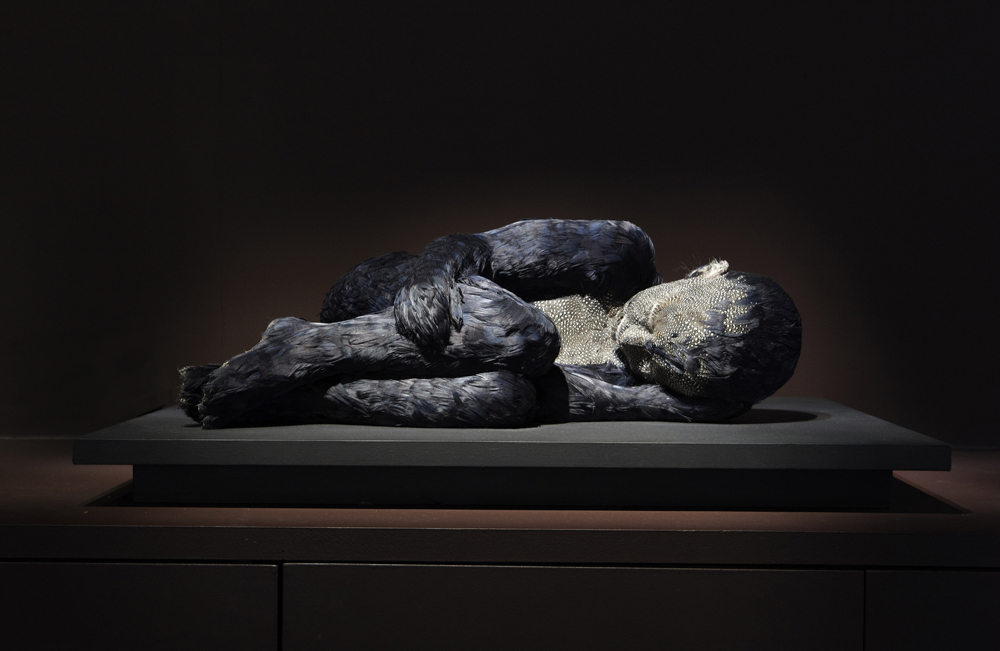
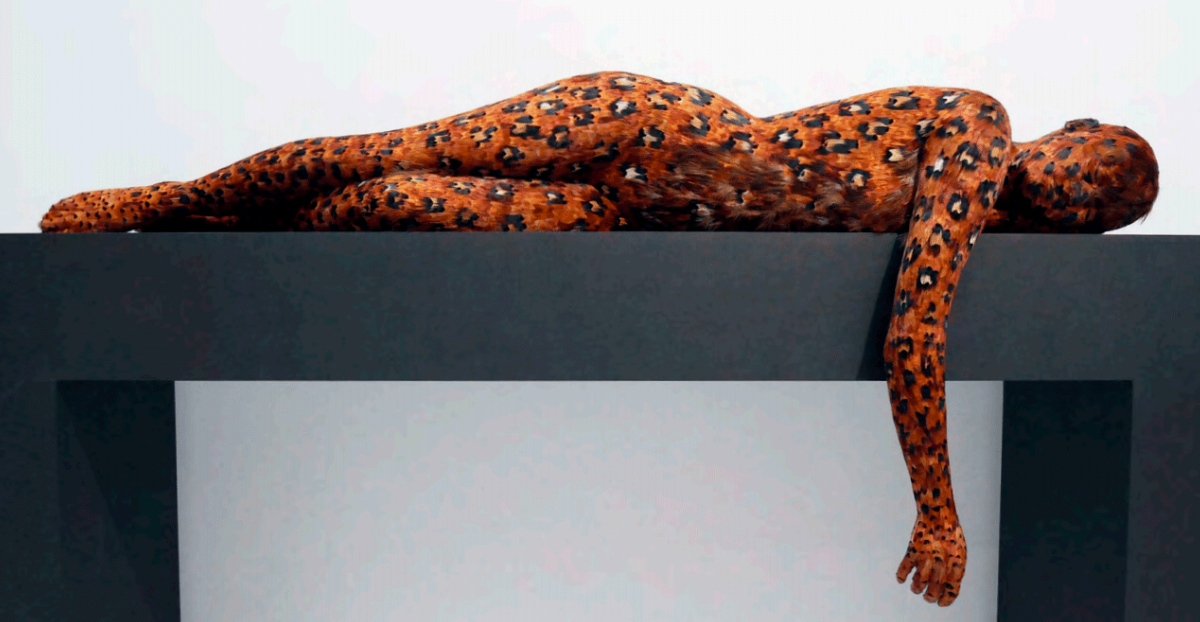
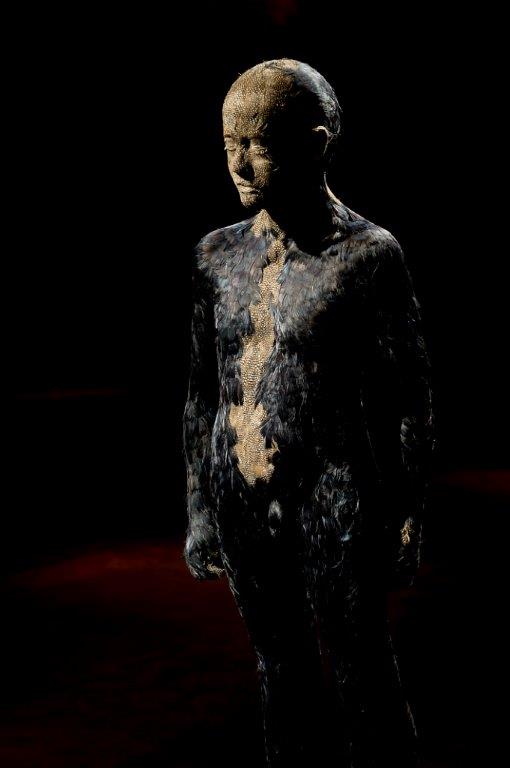
Ses sculptures en plumes, des corps fragiles et suspendus, constituent l’un des axes majeurs de son travail. Ces formes, à la fois délicates et troublantes, convoquent un imaginaire qui oscille entre l’humain, la créature mythologique et l’être en mutation. Elles renvoient à une histoire longue de la représentation du corps transfiguré, de la statuaire religieuse, aux figures allégoriques, tout en s’inscrivant dans une réflexion contemporaine sur les manipulations génétiques et les transformations possibles de l’humain.
Chez Glendinning, l’hybridation n’est jamais spectaculaire. Elle opère dans un registre subtil, presque silencieux, où la beauté des matériaux et la précision du geste entrent en tension avec des questionnements plus sombres. Les « enfants de plumes » deviennent ainsi les vecteurs d’une interrogation sur notre avenir : dans un monde où l’ADN peut être manipulé, jusqu’où serons-nous prêts à transformer nos propres capacités physiques ? La nécessité ou la vanité guideront-elles ces mutations ?
Cette ambiguïté traverse l’ensemble de son œuvre. Les figures incarnent des états paradoxaux, entre tendresse et inquiétude, vulnérabilité et altération, immobilité et potentiel de mouvement. Le spectateur est confronté à une présence à la fois empathique et distante, familière et étrangère.
En inscrivant ses sculptures dans un espace de suspension, Glendinning prolonge certaines recherches de la sculpture contemporaine sur le corps comme territoire instable, tout en réactivant des formes anciennes liées au sacré et à la métamorphose. Son travail se situe ainsi à un point de convergence entre héritage et anticipation, entre mémoire des formes et spéculation sur le futur.
Ses œuvres ont été exposées dans de nombreuses institutions et collections internationales, confirmant sa place singulière au sein de la scène contemporaine.
Born 1964, Somerset, United Kingdom
Lucy Glendinning is a British sculptor whose work contributes to the renewal of contemporary figurative sculpture. Trained within the British artistic tradition, she has developed a rigorous practice that combines technical virtuosity with conceptual depth, exploring the tensions between body, identity, and transformation.
Her work is rooted in the lineage of classical sculpture while engaging with contemporary concerns related to biotechnology, evolution, and the mutability of living forms. Through her often hybrid figures, Glendinning questions the limits of the human body and the projections we impose on its future.
Her feather sculptures, composed of fragile, suspended bodies, form a central axis of her practice. These works, both delicate and unsettling, evoke an imagery that oscillates between the human, the mythological creature, and the being in transformation. They resonate with a long tradition of the transfigured body in art, from religious statuary to allegorical figures, while also engaging with contemporary reflections on genetic manipulation and the possible transformations of the human condition.
In Glendinning’s work, hybridity is never overtly spectacular. It unfolds in a subtle, almost silent register, where the refinement of materials and the precision of execution stand in tension with darker underlying questions. The “feathered children” thus become vehicles for reflection on our future: in a world where DNA can be manipulated, to what extent will we be willing to alter our own physical capacities? Will necessity or vanity guide these transformations?
This ambiguity runs throughout her practice. Her figures embody paradoxical states, between tenderness and unease, vulnerability and alteration, stillness and latent movement. The viewer is confronted with a presence that is at once empathetic and distant, familiar yet strange.
By situating her sculptures in a suspended state, Glendinning extends certain strands of contemporary sculptural inquiry into the body as an unstable territory, while reactivating older forms associated with the sacred and metamorphosis. Her work thus occupies a point of convergence between inheritance and anticipation, between memory of form and speculation on the future.
Her work has been exhibited in numerous international institutions and collections, confirming her distinctive position within the contemporary art scene.
Presse (sélection)